

STOP DEPRESSION STIGMA!
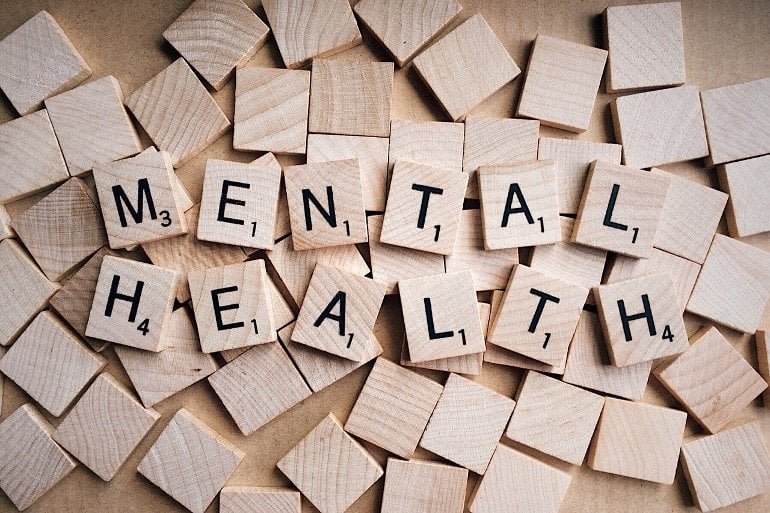
What you need to know about depression stigma
Stop stigma associated with Depression-What we need to know
In the last few weeks, within the course of duty, I have encountered several people suffering from depression. Online platforms too are full of stories about people dying by suicide. One thing that is clear is that most people who have suffered or are suffering from depression do not openly talk about it and those who open up about it get inappropriate treatment and this may be just one reason the deaths may have increased.
When I share information with family members that a loved one is suffering depression, am asked questions such as are they crazy- especially when am referring to a psychiatrist? What is bothering them and they are young with no responsibilities? Will they get well? Are you sure they are not pretending? There are yet a few who ask what they need to do so that their loved one gets better.
While you may be reading and wondering why anyone would think in some way, I see it as a genuine concern expressed by people who do not understand what depression is and what it is not, what to do and what not to do, what to say and what not to say.
What is Depression?
Depression, also known as major depressive disorder or clinical depression, is a common and serious mood disorder. Those who suffer from depression experience persistent feelings of sadness and hopelessness and lose interest in activities they once enjoyed. Beside the emotional problems caused by depression, individuals can also present with a physical symptom such as chronic pain or digestive issues. To be diagnosed with depression, symptoms must be present for at least two weeks-DSM 5.
Signs of depression
- Sadness most of the day, nearly every day.
- Diminished interest in activities that an individual enjoyed.
- Significant weight loss or gain when not dieting, or decrease or increase in appetite nearly every day.
- Withdrawal from social activities.
- A slowing down of thought and a reduction of physical movement (observable by others, not merely subjective feelings of restlessness or being slowed down).
- Fatigue or loss of energy nearly every day.
- Feelings of worthlessness or excessive or inappropriate guilt nearly every day.
- Reduced ability to think or concentrate, or indecisiveness, nearly every day.
- Recurrent thoughts of death, suicidal ideas, or a suicide attempt or a specific plan for committing suicide.
Assessment and treatment can only be done by professionals.
What we need to know
Depression is an illness just like any other and as such needs to be handled by professionals. The professionals who treat depression include Psychologists and Psychiatrists. Additional services of a nutritionist are very useful because diet is part of treatment.
Statements that stigmatize people suffering depression?
- They are lazy or pretending.
- Rise above negativity and sadness.
- That they are weak for not overcoming their challenges.
- That we all have problems and that some have even bigger problems than the person diagnosed with depression.
- You can snap out of depression if you want.
- You are crazy.
- That they are attention seekers when they speak about suicide.
- Telling those who speak of committing suicide to go right ahead and do it or even typing R.I.P when the suicide ideologies are shared online.
- By telling people that their suffering is because they do not believe God or that depression is a demonic attack that only needs prayer to heal.
- When we ask, why should people in a certain socioeconomic class suffer depression?
- By telling the patients that they deserve depression because they involved themselves in unpleasant habits such as alcoholism, infidelity...
- That the solution to depression is talking to a person who will listen and understand.
Facts
Depression is an illness just like any other and it affects body functions. So, when one does not feel like doing anything, they are not lazy and they are not pretending. Depression affects general functioning of an individual which may include work and social life.
Dealing with life struggles is not easy and from time to time, we all need help. A while back a group of friends teamed up and brought one of them for treatment because he had posted on social media about his struggle with suicide thoughts. That was a great step and the member got treatment. The best you can do for a loved one you suspect to be depressed is to find professional help for them.
It’s true that our challenges are different and therefore, it is insensitive to tell someone that others have had it worse. Each person experiences their own challenges differently and therefore one cannot tell how intense the other experiences theirs. Instead of trivializing, listen without judgement.
It takes more than will power to treat depression. It may involve medicine, psychological, social and spiritual interventions. When we pray for healing of any other illness, it does not eliminate the need for treatment and that is true for depression too.
It is neither attention seeking nor crazy being depressed. People who are clinically depressed feel lonely, and see themselves as a burden and so most times suffer in isolation. Telling them to go on and die makes them feel even more alone and unwanted.
There is no human being who can fully tell the reason a person suffered depression without assessment, this is because depression has more than a single cause. Assigning depression to be consequence of disobedience to God, lack of regard for humanity or lack of good self-care is simply insensitive. Having the person assessed and given proper treatment may be more productive.
Depression is an illness that can affect anyone irrespective of their gender, color or social economic status and its treatment goes beyond the listening and understanding. It may involve balancing of brain functions, dealing with unresolved trauma, increasing support and change in lifestyle.
If you suspect that your loved ones are depressed, feel free to reach us through the contacts on the website. Remember that to reduce the deaths caused by depression, we have to be actively involved in helping those that are suffering find treatment.
By Joan Kirera - Psychologist/ Marriage and Family Therapist.