

DYSFUNCTIONAL FAMILY ROLES PART 2 - HERO/FAMILY SAVIOUR
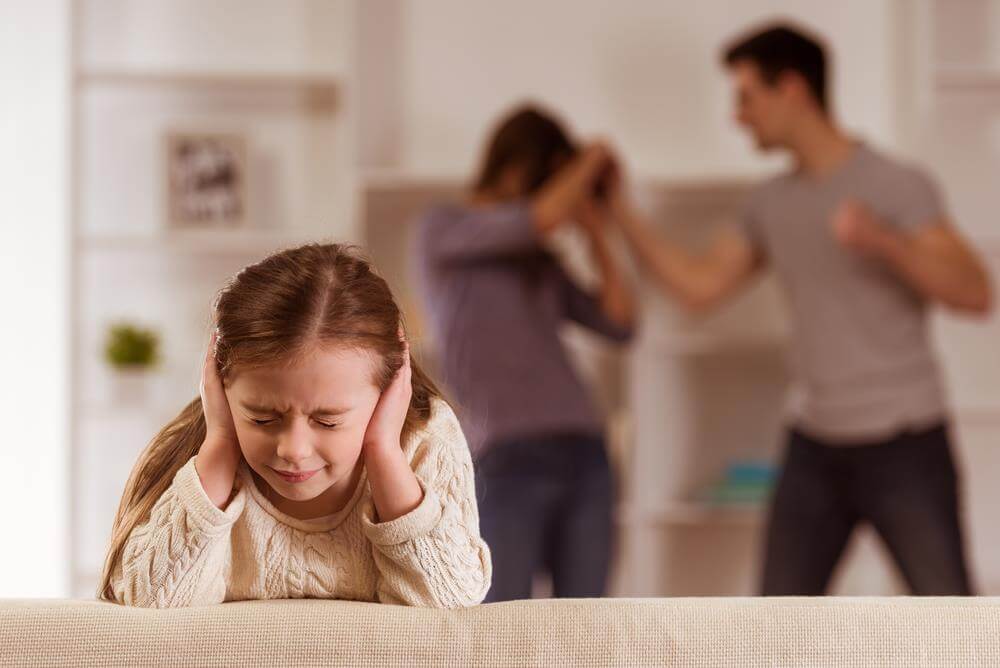
It is true that there is no family that is 100% either functional or dysfunctional. Each family have some level of both functionality and dysfunctionality. When we talk about dysfunctional families, we are talking about those families that are dysfunctional more times they are functional. This normally happens because at least one parent is unhealthy maybe due to untreated mental illness, substance use problems or some other circumstances that would require interventions but that has either not happened or is not effective.
When children are raised in a dysfunctional family, they take up certain roles that make the family feel more comfortable, peaceful and as such, the family looks functional. While the family looks better and seems to have improved, these children grow up to become dysfunctional adults. Most of these roles are difficult to change until a person acknowledges that they are unhealthy and need to change, or gets professionally helped. In this article, I will talk about the Hero.
The pride of the family
The Hero is also referred to as the family savior. This is the role taken by the child who is extremely responsible and takes up parental roles. This child is obedient and one that can be trusted to do things right even without much guidance. They can run the home and can direct the other children while parents are away, and often they do so.
Family heroes are the kind of children who attain good grades in school and are the pride of teachers, students and their family. They take awards home and they become the point of reference in the society. They raise the family’s esteem through their character as children and usually become the name that the family is referred by. At home, they are very cooperative and so they mostly become the parents preferred children.
In adulthood
Heroes are very successful in the eyes of the world. They attain many degrees. At work hard, they occupy the best positions in organizations. They are productive in business and excel in whatever else they take to do. They continue taking the parental role and are self-sufficient. Heroes give the family self-worth because they look good on the outside. When a parent looks at this hero in adulthood, they tell themselves that they are extremely good parents to have brought up such successful and respectable individuals. They tend to feel responsible for everyone and everything. Heroes are perfectionists and have good management skills including management of money. Because they are very successful, Heroes receive positive attention.
A Hero , on the flipside, is controlling, and extremely judgmental of others and secretly of themselves. They achieve “success” on the outside but are cut off from their inner emotional life. They suffer from self-doubt, feeling inadequate, insecure and fear of failure. These negative feelings motivate them to do more, achieve more, and yet even with all that, they still feel insufficient. Their quest to succeed often leads them to stress-related illnesses, and compulsive over-working. Consequently, since they take up the role of the parents, if one parent is extremely dysfunctional, the hero becomes a surrogate parent and also a confidant of the other parent. If a family has both a scapegoat and a hero, the duo are in constant conflict.
Few days ago I read a post of one man who loved the mom so much and he made it clear to the wife that his mother came first. His argument was that his mother struggled alone to raise them and that at this point the mother had only him to confide in, and him to help her. He said that it was the mothers time to rest and enjoy her labor. This mother had fully allowed the son who was the first born, to make all decision of their home. He had built for the mother and had started a business for her and, would still send her monthly allowances whether other bills in his home were paid or not. If the mother was happy, he was happy. This is a typical example of a hero.
As a spouse
At dating, they are likely to attract needy individuals. They may attract scapegoats who are looking out to be saved. Being a saviour, the hero finds validation to have someone they are saving. The hero being too perfect, the partner (especially if it is a scapegoat) begins with the feeling that the person they are dating is too perfect for them. When they attract a scapegoat, there is initially a feeling of compatibility whereby one is being offered the attention that they need while the other is being the extremely responsible person. The responsible part makes them very likeable.
At marriage, a hero’s standards are very high, they expect their spouses to match up their abilities. They work hard at making their spouses perfect since they are used to perfecting everything about themselves. They become very judgmental of their spouse and as such, often come out as controlling in nature. They can also be very neglectful to their own family as they pursue their dreams, or even as they channel their resources to their original family. A hero, especially in the African set up will build for the parents and also take responsibility of all the other siblings. They are overburdened by the many responsibilities they have assumed for themselves, but bear it all, regardless, lest they feel insufficient. The burden of taking care of all members of their original family and taking care of their nuclear family leaves a hero emotionally overwhelmed and with high stress levels. Just like the scapegoat, they do not know how to connect with their spouses because they learnt superficial connections through “doing”. When the doing does not connect two partners in a marriage (which ordinarily doesn’t), then the marriage relationship enters into conflicts. If it’s a hero married to a scapegoat, they begin to feel ashamed by the actions of the scapegoat, get frustrated when they fail in fixing the scapegoat spouse. When the relationship challenges and other pressures overwhelm a hero, the inability to fix them may result to unhealthy methods such as alcohol abuse.
From the Hero’s family
The hero is well praised for being their savior, and the person who has made a name for that family. Most of the time, the to the hero’s spouses are considered very insignificant because their hero has been and continues to be all sufficient for them even when married.
The worst scenarios are when the hero after marriage grows and learns not to allow the family to depend on them. The hero’s spouse is blamed and criticized for turning the hero against his family.
To the Hero’s Children
Heroes have very high standards for their children. Their Children are denied a chance to be just children (simply because the hero’s themselves have never experienced what it is to be children). These children grow emotionally disconnected with their hero parents because connection according to the parent, it is through “doing” (this includes getting good grades, obedience, succeeding in new tasks, etc.). Children of most hero parents find them controlling, in their drive to get the best out of these children, who in most times, feel under pressure to meet the high standards so as to please the parents.
Is there help for a hero
Yes, family therapy would help the hero to heal from their damaged childhood and live productively.
By Joan Kirera - Psychologist/ Marriage and Family Therapist.